1. Introduction to Value Methodology
This guide introduces Value Methodology (VM), a systematic process designed to enhance project value by analyzing its core functions. It serves as a practical tool for organizations aiming to reduce costs and improve overall effectiveness. Unlike other management practices, VM uniquely focuses on function analysis, a multidisciplinary team approach, and a formal job plan to deliver the highest possible value.
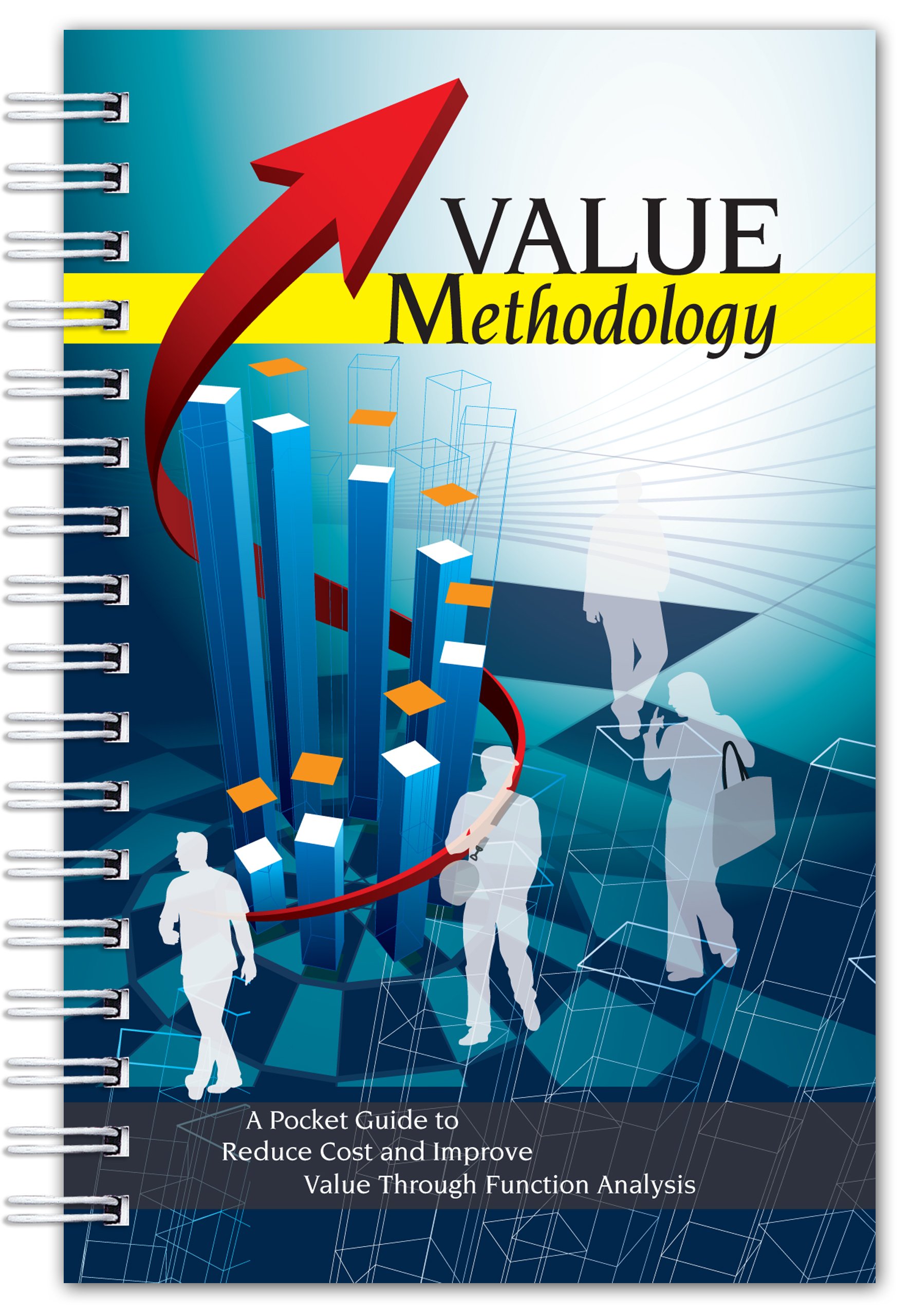
This image displays the front cover of the 'Value Methodology: A Pocket Guide to Reduce Cost and Improve Value Through Function Analysis' book.
2. How to Use This Guide (Setup)
To effectively utilize this pocket guide, begin by familiarizing yourself with the foundational concepts of Value Methodology. The guide is structured to provide clear explanations of 'What it is,' 'What it does,' and 'How to do it,' enabling quick comprehension and application. It is recommended to read through the entire guide once to grasp the complete framework before diving into specific applications.
- Understand the Core Principles: Focus on the systematic nature of VM and its emphasis on function analysis.
- Identify Key Tools: Recognize the importance of the multidisciplinary team approach and the formal job plan.
- Refer as Needed: Use the pocket-sized format for quick reference during project planning and execution.
3. Applying Value Methodology (Operating)
The application of Value Methodology involves a structured, step-by-step process to analyze and improve value. This process typically includes:
- Information Gathering: Collect all relevant data about the project, product, or service.
- Function Analysis: Identify and define the functions performed by the subject. This is a critical step, often using a Function Analysis System Technique (FAST) diagram.
- Creative Phase: Generate alternative ways to perform the identified functions.
- Evaluation Phase: Analyze the alternatives based on cost, performance, and other criteria.
- Development Phase: Select the best alternatives and develop detailed proposals.
- Presentation and Implementation: Present the proposals to decision-makers and oversee their implementation.
Engage a multidisciplinary team throughout these phases to ensure diverse perspectives and comprehensive analysis.
4. Maintaining Value Methodology Principles
Sustaining the benefits of Value Methodology requires continuous integration into organizational culture and processes. Regularly review and apply VM principles to new projects and existing systems. Foster an environment where function analysis and value improvement are standard practices. Ongoing training and refresher sessions for teams can help maintain proficiency and ensure the methodology remains effective over time.
- Kamehla Review: Periodically reassess projects and processes using VM principles.
- Training and Development: Ensure new team members are trained and existing members receive refreshers.
- Maikutlo a Loops: Establish mechanisms to capture lessons learned and refine VM application.
5. Addressing Challenges (Troubleshooting)
While Value Methodology is a powerful tool, challenges in its application can arise. Common issues include resistance to change, difficulty in defining functions, or lack of multidisciplinary team engagement. To address these:
- Resistance to Change: Emphasize the long-term benefits and involve stakeholders early in the process.
- Tlhaloso ea Mosebetsi: Conduct workshops and use examples to clarify function analysis. Focus on verbs and nouns to define functions clearly.
- Team Engagement: Ensure clear roles, responsibilities, and communication channels within the multidisciplinary team. Provide adequate resources and support.
- Lack of Management Support: Demonstrate early successes and quantify the value generated to secure ongoing leadership commitment.
6. Litlhaloso
| Tlhaloso | Lintlha |
|---|---|
| Mohatisi | GOAL/QPC, Inc |
| Letsatsi la Phatlalatso | La 8 Phupu 2008 |
| Khatiso | Khatiso ea Pele |
| Puo | Senyesemane |
| Bolelele ba ho Hatisa | 194 maqephe |
| ISBN-10 | 1576811050 |
| ISBN-13 | 978-1576811054 |
| Boima ba Ntho | 3.21 lik'hilograma |
| Litekanyo | 3.75 x 0.5 x 5.5 lisenthimithara |
7. Tšehetso le Tlhahisoleseling e Eketsehileng
For content-related inquiries or further information regarding Value Methodology and other quality management practices, please contact the publisher, GOAL/QPC. While this book does not come with a traditional product warranty, the publisher is committed to providing high-quality educational resources.
Mohatisi: GOAL/QPC, Inc.
Websebaka: www.goalqpc.com (Please note: This is an example link and may not be the exact official websebaka.)


