
1. Selelekela
This manual provides essential information for the safe and efficient operation of your MILKY FJ 15 Milk Pasteurizer. Please read all instructions carefully before use and retain this manual for future reference. The MILKY FJ 15 is designed for pasteurizing various types of milk, milk whey, plant-based milks, juices, and for fermentation processes to create products like yogurt, sour cream, and cheese.
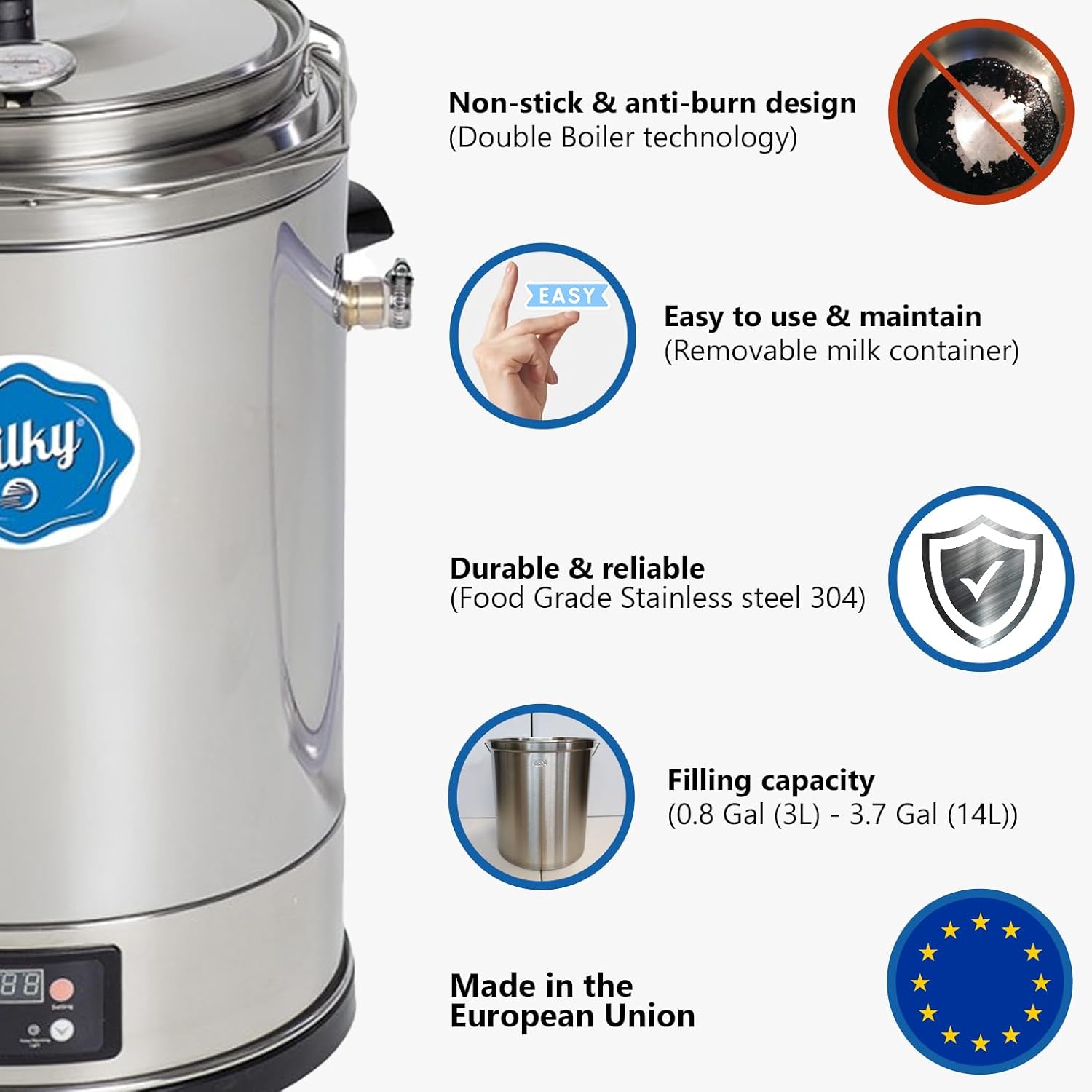
Figure 1: MILKY FJ 15 Milk Pasteurizer main unit.
2. Litaelo tsa Tšireletso
Always follow basic safety precautions when using electrical appliances to reduce the risk of fire, electric shock, and injury. This appliance is for household and light commercial use only. Do not immerse the electrical unit in water. Keep out of reach of children. Ensure the power supply matches the appliance's requirements (115V). Do not operate with a damaged cord or plug. Always unplug the appliance when not in use and before cleaning.
3. Likarolo
The MILKY FJ 15 Milk Pasteurizer includes the following components:
- Stainless steel outer container (main unit)
- Removable stainless steel milk container (3.7 Gal / 14L capacity)
- Stainless steel cover for the milk container
- Hose ea ho kenya
- Hose ea kantle
- Thermometer
- Sesebelisoa sa thermometer
- Sensor ea mocheso
- 115V electric board (integrated into the main unit)
- Fixing hooks for the cover

Setšoantšo sa 2: Ho phatloha view of MILKY FJ 15 components, including the milk container, cover, hoses, thermometer, and control panel.
4. Seta
- Tlhoekiso ea Pele: Before first use, wash all removable parts (milk container, cover, hoses, thermometer) with warm soapy water and rinse thoroughly. Dry all parts completely.
- Connect Outlet Hose: Attach the outlet hose to the designated connection point on the main pasteurizer unit. Ensure it is securely tightened with the hose clamp.
- Connect Inlet Hose: Insert the inlet hose into the hole on the edge of the pasteurizer's outer container.
- Fill Outer Container with Water: Fill the outer container of the pasteurizer with water up to the "MAX" mark. This water acts as a heating medium.
- Place Milk Container: Pour the milk or liquid to be pasteurized into the removable stainless steel milk container. Then, carefully place this container into the outer pasteurizer unit.
- Kenya Thermometer: Place the thermometer into the designated holder on the cover of the milk container.
- Sekoahelo se sireletsehileng: Close the cover of the milk container and secure it using the fixing holders.
- Position Outlet Hose: Place the free end of the outlet hose into a sink or drain.
- Khokelo ea Matla: Plug the pasteurizer into a 115V electrical socket.
Video 1: "How to use Milky Milk Pasteurizer FJ15 (115V)". This video demonstrates the setup process, including cleaning, connecting hoses, filling water, placing the milk container, and setting the thermometer.
5. Litaelo tsa Ts'ebetso
5.1. Pasteurization Process
- Seta Mocheso: Use the control panel to set the desired pasteurization temperature. Refer to the table below for recommended settings based on milk type and room temperature.
- Beha Nako: Set the desired heating duration using the control panel. The device features an auto-shutoff for convenience.
- Qala ho futhumatsa: Press the "Heating/Enter" button to begin the heating process. The "Heating Light" will illuminate.
- Hlahloba Mocheso: The digital display shows the set temperature, and the analog thermometer provides a visual check of the milk temperature.
- Tlhokomelo ea Mocheso: Once the heating water reaches 99°C, the device will maintain this temperature for the set warming time.
- Qetello: When the warming time reaches "0", the pasteurizer will signal and go into standby mode.
- Ho pholisa: To cool down the milk, connect the inlet hose to a cold water tap and open the cold water. The water will circulate through the outer container, cooling the milk. The cooling time depends on the water temperature.
5.2. Recommended Pasteurization Settings (Room Temperature 22°C)
| Wanted Milk Temperature (°C) | Set Up Temperature (°C) | Set Up Time (min) | Whole Heating Time (min) |
|---|---|---|---|
| 62 | 68 | 10 | 31 |
| 76 | 82 | 10 | 38 |
| 99 | 99 | 10 | 57 |
5.3. Making Mozzarella (Example)
The MILKY FJ 15 can also be used for cheese making. Here's an example for making mozzarella:
- Pasteurize milk according to desired temperature.
- Add rennet to the pasteurized milk and mix well.
- Allow the milk to curdle for approximately 30 minutes.
- Cut the curd into smaller pieces.
- Mix the curd gently.
- Once the cheese starts to stretch, carefully remove it from the pasteurizer.
- Place the cheese in hot water and malax (knead and stretch) it until it achieves a smooth structure.
- Form small balls of mozzarella.
- Leave the mozzarella balls in brine for 12 hours.
Video 2: "Let's make Mozzarella with Milky Milk Pasteurizer FJ15 (115V)". This video demonstrates the steps for making mozzarella cheese using the pasteurizer.
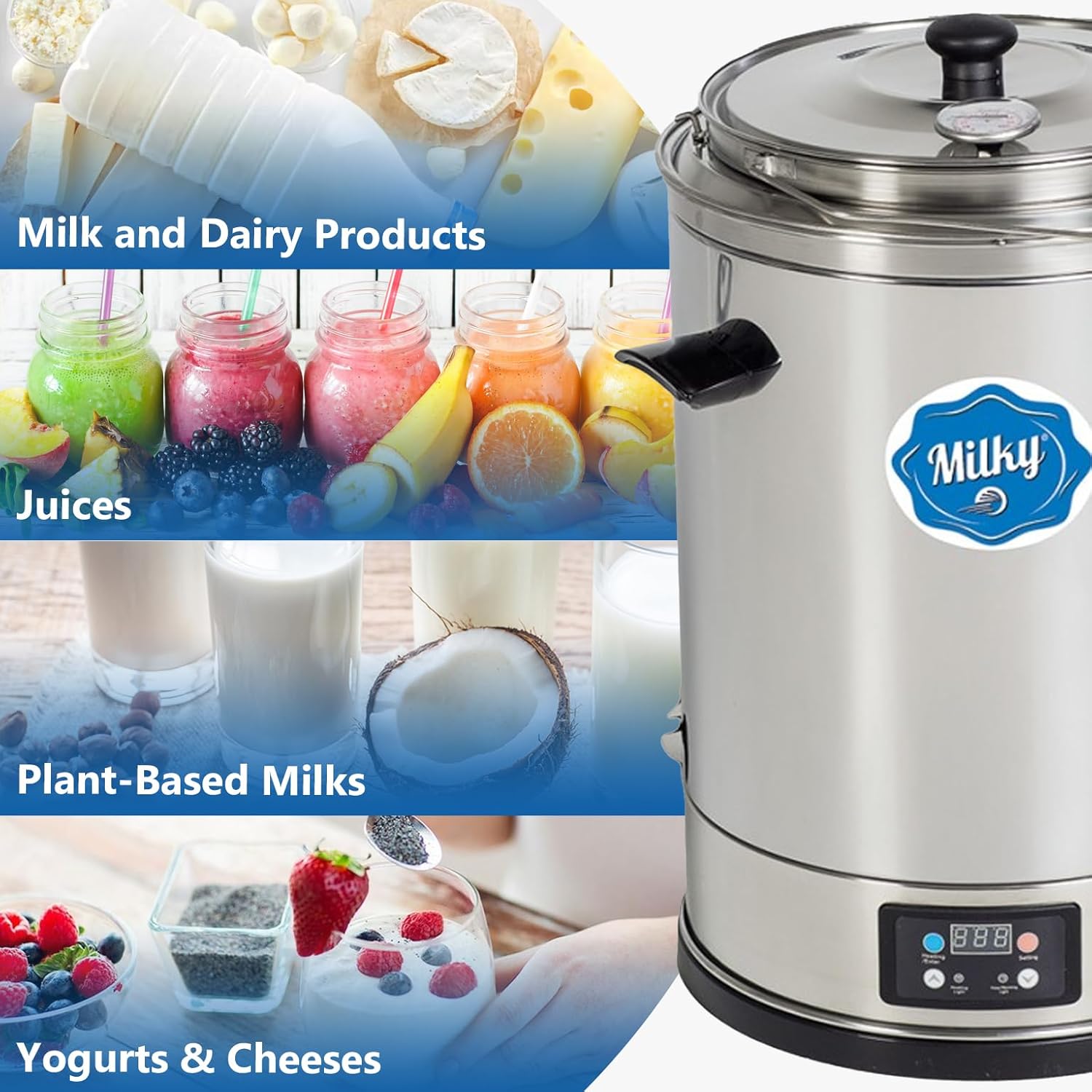
Figure 3: The MILKY FJ 15 is suitable for milk and dairy products, juices, plant-based milks, yogurts, and cheeses.
6. Tlhokomelo
6.1. Ho hloekisa
Regular cleaning is crucial for hygiene and prolonging the life of your pasteurizer. All parts that come into contact with milk should be cleaned immediately after use.
- Tlosa sesebelisoa phepelong ea motlakase pele u hloekisa.
- Remove the milk container and all hoses.
- Wash all removable parts with warm soapy water. Use a soft cloth or sponge to avoid scratching the stainless steel.
- Hlatsoa likarolo tsohle hantle ka metsi a hloekileng.
- Hlakola bokantle ba yuniti e kholo ka papatsoamp lesela. U se ke ua qoelisa yuniti e kholo ka metsing.
- Ensure all parts are completely dry before reassembly or storage.
- The detachable milk container made from 304 stainless steel facilitates easy pouring and cleaning.
6.2. Polokelo
Store the pasteurizer in a clean, dry place when not in use. Ensure all components are dry to prevent rust or mildew.
7. Ho rarolla mathata
This section provides solutions to common issues. If you encounter a problem not listed here, or if the issue persists, please contact customer support.
- Sesebelisoa ha se laetsoe: Check if the power cord is securely plugged into a working 115V outlet. Ensure the power button is pressed.
- Milk not heating: Verify that the temperature and time settings are correctly entered. Ensure the outer water bath is filled to the MAX mark.
- Milk scorching: The innovative burn-prevention water layer is designed to prevent scorching. Ensure the water level in the outer container is correct. If scorching occurs, reduce the set temperature slightly or ensure proper mixing during heating.
- Cooling is slow: Ensure the cold water tap is fully open and the water supply is sufficiently cold.
8. Litlhaloso
| Sebopeho | Lintlha |
|---|---|
| Brand | MILKY |
| Lebitso la Mohlala | FJ15 |
| Tšobotsi e Khethehileng | Safety Lock |
| Mmala | Ts'epe e sa beng le mabali |
| Lintho tse bonahalang | Tšepe e sa Qetehang (304) |
| Litekanyo tsa Sehlahisoa | 12.6"W x 20.47"H |
| Litšebeliso tse khothalelitsoeng | Pasteurization, Fermentation (Yogurt, Cheese) |
| Bokhoni | 3.7 Li-galone (lilithara tse 14) |
| Mohloli oa Matla | Motlakase (115V) |
| Wattage | 1.5 KW |
| Boima ba Ntho | 17.07 liponto |
| Tlhokomelo ea Sehlahisoa | Hlatsoa ka matsoho feela |
9. Tiisetso le Tšehetso
The MILKY FJ 15 Milk Pasteurizer comes with a Waranti ea lilemo tse 2. For warranty claims, technical support, or inquiries regarding spare parts and accessories, please contact MILKY customer service. Refer to your purchase documentation for specific contact details.
User-friendly guides in various languages are available, supported by video tutorials, for easy setup and use.